CompTIA Server+ Certification Exam (SK0-005日本語版) : SK0-005日本語

SK0-005日本語 real exams

Exam Code: SK0-005J

Exam Name: CompTIA Server+ Certification Exam (SK0-005日本語版)

Updated: Aug 16, 2026

Q & A: 695 Questions and Answers

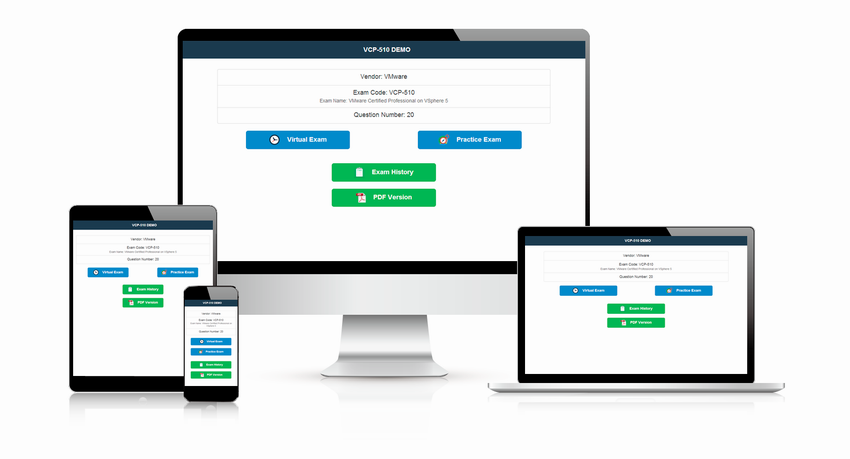
SK0-005日本語 Free Demo download

Already choose to buy "PDF"
Price: $69.99 

About CompTIA Server+ Certification Exam (SK0-005日本語版) : SK0-005日本語 Exam

4. When can I download SK0-005日本語 exam preparation after purchase?

Once payment is finished and then we receive your order, our system will send your password and the downloading link of SK0-005日本語 exam preparation you purchase by email right away. Your account will be your email address. You can login on our website and download all the purchased Real test dumps for CompTIA Server+ Certification Exam (SK0-005日本語版). So please make sure that you fill the right email address which will be your login account and we will contact you by the only email address.

For more info read reference

CompTIA SK0-005 Certification Exam

3. How long will my SK0-005日本語 exam preparation remain valid?

All our real test dumps remain valid for one year from the date of purchase. This means that any updates to SK0-005日本語 exam preparation (CompTIA Server+ Certification Exam (SK0-005日本語版)), including but not limited to new questions and answers, or update and change by our education experts team, will be automatically downloaded on to our website, and our system will remind you and send you by email about this updates and changes of Real test dumps for CompTIA Server+ Certification Exam (SK0-005日本語版). Once one year is over, you will be able to extend the validity of your product with 50% discount if you contact with our service staff.

1. What products do we offer?

◆ Valid real test dumps Based on SK0-005日本語 Real Test
◆ Free demo download before purchasing
◆ Regularly Updated SK0-005日本語 exam preparation
◆ Easy-to-read & Easy-to-handle Layout
◆ Well Prepared by Our Professional Experts
◆ Printable SK0-005日本語 PDF for reading & writing
◆ PDF version, Soft version and APP version, Downloadable with no Limits
◆ 24 Hour On-line Support Available, golden customer service
◆ One-year Service Warranty
◆ Money & Information guaranteed

Free Download SK0-005日本語 prep4sure exam

Instant Download: Upon successful payment, Our systems will automatically send the product you have purchased to your mailbox by email. (If not received within 12 hours, please contact us. Note: don't forget to check your spam.)

CompTIA SK0-005 Exam Syllabus Topics:

TopicDetails

Server Hardware Installation and Management - 18%

Given a scenario, install physical hardware.- Racking
  • Enclosure sizes
  • Unit sizes
    - 1U, 2U, 3U, etc.
  • Rack layout
    - Cooling management
    - Safety
    1. Proper lifting techniques
    2. Rack balancing
    3. Floor load limitations
    - Power distribution unit (PDU)
    - Keyboard-video-mouse (KVM) placement
    - Rail kits

- Power cabling

  • Redundant power
    - Uninterruptible power supply (UPS)
    - Separate circuits
    - Separate providers
  • Power connector types
  • Cable management

- Network cabling

  • Redundant networking
  • Twisted pair
  • Fiber
    - SC
    - LC
    - Single mode
    - Multimode
  • Gigabit
  • 10 GigE
  • Small form factor pluggable (SFP)
  • SFP+
  • Quad small form factor pluggable (QSFP)
  • Cable management

- Server chassis types

  • Tower
  • Rack mount
  • Blade enclosure

- Server components

  • Hardware compatibility list (HCL)
  • Central processing unit (CPU)
  • Graphics processing unit (GPU)
  • Memory
  • Bus types
  • Interface types
  • Expansion cards
Given a scenario, deploy and manage storage.- RAID levels and types
  • 0
  • 1
  • 5
  • 6
  • 10
  • Just a bunch of disks (JBOD)
  • Hardware vs. software

- Capacity planning
- Hard drive media types

  • Solid state drive (SSD)
    - Wear factors
    1. Read intensive
    2. Write intensive
  • Hard disk drive (HDD)
    - Rotations per minute (RPM)
    1. 15,000
    2. 10,000
    3. 7,200
  • Hybrid

- Interface types

  • Serial attached SCSI (SAS)
  • Serial ATA (SATA)
  • Peripheral component interconnect (PCI)
  • External serial advanced technology attachment (eSATA)
  • Universal serial bus (USB)
  • Secure digital (SD)

- Shared storage

  • Network attached storage (NAS)
    - Network file system (NFS)
    - Common Internet file system (CIFS)
  • Storage area network (SAN)
    - Internet small computer systems interface (iSCSI)
    - Fibre Channel
    - Fibre Channel over Ethernet (FCoE)
Given a scenario, perform server hardware maintenance.- Out-of-band management
  • Remote drive access
  • Remote console access
  • Remote power on/off
  • Internet protocol keyboard-video-mouse (IP KVM)

- Local hardware administration

  • Keyboard-video-mouse (KVM)
  • Crash cart
  • Virtual administration console
  • Serial connectivity
  • Console connections

- Components

  • Firmware upgrades

- Drives
- Hot-swappable hardware

  • Drives
  • Cages
  • Cards
  • Power supplies
  • Fans

- Basic input/output system (BIOS)/Unified Extensible Firmware Interface (UEFI)

Server Administration - 30%

Given a scenario, install server operating systems.- Minimum operating system (OS) requirements
- Hardware compatibility list (HCL)
- Installations
  • Graphical user interface (GUI)
  • Core
  • Bare metal
  • Virtualized
  • Remote
  • Slip streamed/unattended
    - Scripted installations
    - Additional drivers
    - Additional applications and utilities
    - Patches
  • Media installation type
    - Network
    - Optical
    - Universal serial bus (USB)
    - Embedded
  • Imaging
    - Cloning
    1. Virtual machine (VM) cloning
    2. Physical clones
    3. Template deployment
    4. Physical to virtual (P2V)

- Partition and volume types

  • Global partition table (GPT) vs. master boot record (MBR)
  • Dynamic disk
  • Logical volume management (LVM)

- File system types

  • ext4
  • New technology file system (NTFS)
  • VMware file system (VMFS)
  • Resilient file system (ReFS)
  • Z file system (ZFS)
Given a scenario, configure servers to use network infrastructure services.- IP configuration
- Virtual local area network (VLAN)
- Default gateways
- Name resolution
  • Domain name service (DNS)
  • Fully qualified domain name (FQDN)
  • Hosts file

- Addressing protocols

  • IPv4
    - Request for comments (RFC) 1918 address spaces
  • IPv6

- Firewall

  • Ports

- Static vs. dynamic

  • Dynamic host configuration protocol (DHCP)

- MAC addresses

Given a scenario, configure and maintain server functions and features.- Server roles requirements
  • Print
  • Database
  • File
  • Web
  • Application
  • Messaging
  • Baselining
    - Documentation
    - Performance metrics

- Directory connectivity
- Storage management

  • Formatting
  • Connectivity
  • Provisioning
  • Partitioning
  • Page/swap/scratch location and size
  • Disk quotas
  • Compression
  • Deduplication

- Monitoring

  • Uptime
  • Thresholds
  • Performance
    - Memory
    - Disk
    1. Input output operations per second (IOPS)
    2. Capacity vs. utilization
    - Network
    - Central processing unit (CPU)
  • Event logs
    - Configuration
    - Shipping
    - Alerting
    - Reporting
    - Retention
    - Rotation

- Data migration and transfer

  • Infiltration
  • Exfiltration
  • Disparate OS data transfer
    - Robocopy
    - File transfer
    - Fast copy
    - Secure copy protocol (SCP)

- Administrative interfaces

  • Console
  • Remote desktop
  • Secure shell (SSH)
  • Web interface
Explain the key concepts of high availability for servers.- Clustering
  • Active-active
  • Active-passive
  • Failover
  • Failback
  • Proper patching procedures
  • Heartbeat

- Fault tolerance

  • Server-level redundancy vs. component redundancy

- Redundant server network infrastructure

  • Load balancing
    - Software vs. hardware
    - Round robin
    - Most recently used (MRU)
  • Network interface card (NIC) teaming and redundancy
    - Failover
    - Link aggregation
Summarize the purpose and operation of virtualization.- Host vs. guest
- Virtual networking
  • Direct access (bridged)
  • Network address translation (NAT)
  • vNICs
  • Virtual switches

- Resource allocation and provisioning

  • CPU
  • Memory
  • Disk
  • NIC
  • Overprovisioning
  • Scalability

- Management interfaces for virtual machines
- Cloud models

  • Public
  • Private
  • Hybrid
Summarize scripting basics for server administration.- Script types
  • Bash
  • Batch
  • PowerShell
  • Virtual basic script (VBS)

- Environment variables
- Comment syntax
- Basic script constructs

  • Loops
  • Variables
  • Conditionals
  • Comparators

- Basic data types

  • Integers
  • Strings
  • Arrays

- Common server administration scripting tasks

  • Startup
  • Shut down
  • Service
  • Login
  • Account creation
  • Bootstrap
Explain the importance of asset management and documentation.- Asset management
  • Labeling
  • Warranty
  • Leased vs. owned devices
  • Life-cycle management
    - Procurement
    - Usage
    - End of life
    - Disposal/recycling
  • Inventory
    - Make
    - Model
    - Serial number
    - Asset tag

- Documentation management

  • Updates
  • Service manuals
  • Architecture diagrams
  • Infrastructure diagrams
  • Workflow diagrams
  • Recovery processes
  • Baselines
  • Change management
  • Server configurations
  • Company policies and procedures
    - Business impact analysis (BIA)
    - Mean time between failure (MTBF)
    - Mean time to recover (MTTR)
    - Recovery point objective (RPO)
    - Recovery time objective (RTO)
    - Service level agreement (SLA)
    - Uptime requirements

- Document availability
- Secure storage of sensitive documentation

Explain licensing concepts.- Models
  • Per-instance
  • Per-concurrent user
  • Per-server
  • Per-socket
  • Per-core
  • Site-based
  • Physical vs. virtual
  • Node-locked
  • Signatures

- Open source
- Subscription
- License vs. maintenance and support
- Volume licensing
- License count validation

  • True up

- Version compatibility

  • Backward compatible
  • Forward compatible

Security and Disaster Recovery - 24%

Summarize data security concepts.- Encryption paradigms
  • Data at rest
  • Data in transit

- Retention policies
- Data storage

  • Physical location storage
  • Off-site vs. on-site

- UEFI/BIOS passwords
- Bootloader passwords
- Business impact

  • Data value prioritization
  • Life-cycle management
  • Cost of security vs. risk and/or replacement
Summarize physical security concepts.- Physical access controls
  • Bollards
  • Architectural reinforcements
    - Signal blocking
    - Reflective glass
    - Datacenter camouflage
  • Fencing
  • Security guards
  • Security cameras
  • Locks
    - Biometric
    - Radio frequency identification (RFID)
    - Card readers
    - Mantraps
    - Safes

- Environmental controls

  • Fire suppression
  • Heating, ventilation, and cooling (HVAC)
  • Sensors
Explain important concepts pertaining to identity and access management for server administration.- User accounts
- User groups
- Password policies
  • Length
  • Lockout
  • Enforcement

- Permissions and access controls

  • Role-based
  • Rule-based
  • Scope based
  • Segregation of duties
  • Delegation

- Auditing

  • User activity
  • Logins
  • Group memberships
  • Deletions

- Multifactor authentication (MFA)

  • Something you know
  • Something you have
  • Something you are

- Single sign-on (SSO)

Explain data security risks and mitigation strategies.- Security risks
  • Hardware failure
  • Malware
  • Data corruption
  • Insider threats
  • Theft
    - Data loss prevention (DLP)
    - Unwanted duplication
    - Unwanted publication
  • Unwanted access methods
    - Backdoor
    - Social engineering
  • Breaches
    - Identification
    - Disclosure

- Mitigation strategies

  • Data monitoring
  • Log analysis
    - Security information and event management (SIEM)
  • Two-person integrity
    - Split encryption keys tokens
    - Separation of roles
  • Regulatory constraints
    - Governmental
    - Individually privileged information
    1. Personally identifiable information (PII)
    2. Payment Card Industry DataSecurity Standard (PCI DSS)
  • Legal considerations
    - Data retention
    - Subpoenas
Given a scenario, apply server hardening methods.- OS hardening
  • Disable unused services
  • Close unneeded ports
  • Install only required software
  • Apply driver updates
  • Apply OS updates
  • Firewall configuration

- Application hardening

  • Install latest patches
  • Disable unneeded services, roles, or features

- Host security

  • Antivirus
  • Anti-malware
  • Host intrusion detection system (HIDS)/Host intrusion prevention system (HIPS)

- Hardware hardening

  • Disable unneeded hardware
  • Disable unneeded physical ports, devices, or functions
  • Set BIOS password
  • Set boot order

- Patching

  • Testing
  • Deployment
  • Change management
Summarize proper server decommissioning concepts.- Proper removal procedures
  • Company policies
  • Verify non-utilization
  • Documentation
    - Asset management
    - Change management

- Media destruction

  • Disk wiping
  • Physical
    - Degaussing
    - Shredding
    - Crushing
    - Incineration
  • Purposes for media destruction

- Media retention requirements
- Cable remediation

  • Power
  • Networking

- Electronics recycling

  • Internal vs. external
  • Repurposing
Explain the importance of backups and restores.- Backup methods
  • Full
  • Synthetic full
  • Incremental
  • Differential
  • Archive
  • Open file
  • Snapshot

- Backup frequency
- Media rotation
- Backup media types

  • Tape
  • Cloud
  • Disk
  • Print

- File-level vs. system-state backup
- Restore methods

  • Overwrite
  • Side by side
  • Alternate location path

- Backup validation

  • Media integrity
  • Equipment
  • Regular testing intervals

- Media inventory before restoration

Explain the importance of disaster recovery.- Site types
  • Hot site
  • Cold site
  • Warm site
  • Cloud
  • Separate geographic locations

- Replication

  • Constant
  • Background
  • Synchronous vs. asynchronous
  • Application consistent
  • File locking
  • Mirroring
  • Bidirectional

- Testing

  • Tabletops
  • Live failover
  • Simulated failover
  • Production vs. non-production

Troubleshooting - 28%

Explain the troubleshooting theory and methodology.- Identify the problem and determine the scope.
  • Question users/stakeholders and identify changes to the server/environment.
  • Collect additional documentation/logs.
  • If possible, replicate the problem as appropriate.
  • If possible, perform backups before making changes.
  • Escalate, if necessary.

- Establish a theory of probable cause (question the obvious).

  • Determine whether there is a common element or symptom causing multiple problems.

- Test the theory to determine the cause.

  • Once the theory is confirmed, determine the next steps to resolve the problem.
  • If the theory is not confirmed, establish a new theory.

- Establish a plan of action to resolve the problem.

  • Notify impacted users.

- Implement the solution or escalate.

  • Make one change at a time and test/confirm the change has resolved the problem.
  • If the problem is not resolved, reverse the change, if appropriate, and implement a new change.

- Verify full system functionality and, if applicable, implement preventive measures.
- Perform a root cause analysis.
- Document findings, actions, and outcomes throughout the process.

Given a scenario, troubleshoot common hardware failures.- Common problems
  • Predictive failures
  • Memory errors and failures
    - System crash
    1. Blue screen
    2. Purple screen
    3. Memory dump
    - Utilization
    - Power-on self-test (POST) errors
    - Random lockups
    - Kernel panic
  • Complementary metal-oxide-semiconductor (CMOS) battery failure
  • System lockups
  • Random crashes
  • Fault and device indication
    - Visual indicators
  • Light-emitting diode (LED)
  • Liquid crystal display (LCD) panel readouts
    - Auditory or olfactory cues
    - POST codes
  • Misallocated virtual resources

- Causes of common problems

  • Technical
    - Power supply fault
    - Malfunctioning fans
    - Improperly seated heat sink
    - Improperly seated cards
    - Incompatibility of components
    - Cooling failures
    - Backplane failure
    - Firmware incompatibility
    - CPU or GPU overheating
  • Environmental
    - Dust
    - Humidity
    - Temperature

- Tools and techniques

  • Event logs
  • Firmware upgrades or downgrades
  • Hardware diagnostics
  • Compressed air
  • Electrostatic discharge (ESD) equipment
  • Reseating or replacing components and/or cables
Given a scenario, troubleshoot storage problems.- Common problems
  • Boot errors
  • Sector block errors
  • Cache battery failure
  • Read/write errors
  • Failed drives
  • Page/swap/scratch file or partition
  • Partition errors
  • Slow file access
  • OS not found
  • Unsuccessful backup
  • Unable to mount the device
  • Drive not available
  • Cannot access logical drive
  • Data corruption
  • Slow I/O performance
  • Restore failure
  • Cache failure
  • Multiple drive failure

- Causes of common problems

  • Disk space utilization
    - Insufficient disk space
  • Misconfigured RAID
  • Media failure
  • Drive failure
  • Controller failure
  • Hot bus adapter (HBA) failure
  • Loose connectors
  • Cable problems
  • Misconfiguration
  • Corrupt boot sector
  • Corrupt filesystem table
  • Array rebuild
  • Improper disk partition
  • Bad sectors
  • Cache battery failure
  • Cache turned off
  • Insufficient space
  • Improper RAID configuration
  • Mismatched drives
  • Backplane failure

- Tools and techniques

  • Partitioning tools
  • Disk management
  • RAID and array management
  • System logs
  • Disk mounting commands
    - net use
    - mount
  • Monitoring tools
  • Visual inspections
  • Auditory inspections
Given a scenario, troubleshoot common OS and software problems.- Common problems
  • Unable to log on
  • Unable to access resources
  • Unable to access files
  • System file corruption
  • End of life/end of support
  • Slow performance
  • Cannot write to system logs
  • Service failures
  • System or application hanging
  • Freezing
  • Patch update failure

- Causes of common problems

  • Incompatible drivers/modules
  • Improperly applied patches
  • Unstable drivers or software
  • Server not joined to domain
  • Clock skew
  • Memory leaks
  • Buffer overrun
  • Incompatibility
    Insecure dependencies
    Version management
    Architecture
  • Update failures
  • Missing updates
  • Missing dependencies
  • Downstream failures due to updates
  • Inappropriate application-level permissions
  • Improper CPU affinity and priority

- OS and software tools and techniques

  • Patching
    - Upgrades
    - Downgrades
  • Package management
  • Recovery
    - Boot options
    1. Safe mode
    2. Single user mode
    - Reload OS
    - Snapshots
  • Proper privilege escalations
    - runas/Run As
    - sudo
    - su
  • Scheduled reboots
  • Software firewalls
    - Adding or removing ports
    - Zones
  • Clocks
    - Network time protocol (NTP)
    - System time
  • Services and processes
    - Starting
    - Stopping
    - Status identification
    - Dependencies
  • Configuration management
    - System center configuration manager (SCCM)
    - Puppet/Chef/Ansible
    - Group Policy Object (GPO)
  • Hardware compatibility list (HCL)
Given a scenario, troubleshoot network connectivity issues.- Common problems
  • Lack of Internet connectivity
  • Resource unavailable
  • Receiving incorrect DHCP information
  • Non-functional or unreachable
  • Destination host unreachable
  • Unknown host
  • Unable to reach remote subnets
  • Failure of service provider
  • Cannot reach server by hostname/fully qualified domain name (FQDN)

- Causes of common problems

  • Improper IP configuration
  • IPv4 vs. IPv6 misconfigurations
  • Improper VLAN configuration
  • Network port security
  • Component failure
  • Incorrect OS route tables
  • Bad cables
  • Firewall (misconfiguration, hardware failure, software failure)
  • Misconfigured NIC
  • DNS and/or DHCP failure
  • DHCP server misconfigured
  • Misconfigured hosts file

- Tools and techniques

  • Check link lights
  • Confirm power supply
  • Verify cable integrity
  • Check appropriate cable selection
  • Commands
    - ipconfig
    - ip addr
    - ping
    - tracert
    - traceroute
    - nslookup
    - netstat
    - dig
    - telnet
    - nc
    - nbtstat
    - route
Given a scenario, troubleshoot security problems.- Common concerns
  • File integrity
  • Improper privilege escalation
    - Excessive access
  • Applications will not load
  • Cannot access network fileshares
  • Unable to open files

- Causes of common problems

  • Open ports
  • Services
    - Active
    - Inactive
    - Orphan/zombie
  • Intrusion detection configurations
  • Anti-malware configurations
  • Improperly configured local/group policies

- Improperly configured firewall rules

  • Misconfigured permissions
  • Virus infection
  • Malware
  • Rogue processes/services
  • Data loss prevention (DLP)

- Security tools

  • Port scanners
  • Sniffers
  • Telnet clients
  • Anti-malware
  • Antivirus
  • File integrity
    - Checksums
    - Monitoring
    - Detection
    - Enforcement
  • User access controls
    - SELinux
    - User account control (UAC)

2. What is our test engine of SK0-005日本語 exam preparation?

Our PDF file is easy to understand for candidates to use which is downloadable and printable with no Limits. Many candidates are not familiar with test engine of Real test dumps for CompTIA Server+ Certification Exam (SK0-005日本語版). Test engine provides candidates with realistic simulations of certification exams experience. It capacitates interactive learning that makes SK0-005日本語 - CompTIA Server+ Certification Exam (SK0-005日本語版) exam preparation process easier. The software test engine can be downloaded and installed on any Windows Operate System. The APP on-line test engine are available in all operate system and can be used on any electronic products.

If you'd like an easy way to pass the exam SK0-005日本語 - CompTIA Server+ Certification Exam (SK0-005日本語版), you can consider us which takes the leading position in providing the best valid and high-pass rate SK0-005日本語 exam preparation. You can download our free demo which is the little part of the real test dumps before.

Many candidates are headache about exam CompTIA SK0-005日本語 since some of them find they have no confidence to attend the real test; some of them failed exam again and do not want to fail again. If you are still thinking about how to pass, let our Real test dumps for CompTIA Server+ Certification Exam (SK0-005日本語版) help you. Every day we hear kinds of problems from candidates about their failure, our professional can always give them wise advice. Our SK0-005日本語 exam preparation helps thousands of candidate sail through the examination every year. If you really want to get rid of this situation, please go and follow us, everything will be easy. Below I summarize the questions about SK0-005日本語 - CompTIA Server+ Certification Exam (SK0-005日本語版) exam preparation most candidates may care about for your reference.

5. If I don't have credit card, how should I buy SK0-005日本語 exam preparation?

Normally for most regions only credit card is available. We support every buyer to choose Credit Card payment which is safe and guaranteed for both buyer and seller. Credit Card is the most widely used in international trade business. Credit Card can only bind credit card. So please make sure you have credit card before purchasing Real test dumps for CompTIA Server+ Certification Exam (SK0-005日本語版).

If you still have the other problems about SK0-005日本語 exam preparation, please contact with us, it is our pleasure to serve for you. If you want to know more about our discount every month or official holidays please write email to us. 100% pass for sure with our real test dumps for CompTIA Server+ Certification Exam (SK0-005日本語版)! No Pass, No Pay!

How to prepare for CompTIA SK0-005 Certification Exam

CompTIA SK0-005 actual exam questions is the best solution to prepare CompTIA SK0-005 certification exam. The CompTIA SK0-005 exam dumps test content is designed according to the updated curriculum given by CompTIA. This syllabus highlights the most vital and anticipated contents for the test and exclude all of the unnecessary details. Thus, It provides a shortcut way and prevents you from over digesting the whole of CompTIA SK0-005 book. The CompTIA SK0-005 Certification Exam Questions are composed by the contemporary and dynamic Information Technology experts, who use their knowledge and experience to organize you for your future in IT.

The exam candidates of CompTIA SK0-005 examination should choose our CompTIA SK0-005 exam dumps preparation guide at Real4dumps, because our product creates a nearly actual atmosphere, which can relieve you from undue pressure and anxiety. Our detailed analysis on CompTIA SK0-005 exam questions makes our products more useful. With a good command of knowledge in this area, all problems will not be a problem.

CompTIA Server+ Exam Certification Details:

Schedule ExamCompTIA Marketplace
Pearson VUE
Duration90 mins
Sample QuestionsCompTIA Server+ Sample Questions
Exam Price$338 (USD)
Exam CodeSK0-005
Number of Questions90
Exam NameCompTIA Server+
Passing Score750 / 900

Reference: https://www.comptia.org/certifications/server

What Clients Say About Us

LEAVE A REPLY

Your email address will not be published. Required fields are marked *

Why Choose Real4dumps

Quality and Value

Real4dumps Practice Exams are written to the highest standards of technical accuracy, using only certified subject matter experts and published authors for development - no all study materials.

Tested and Approved

We are committed to the process of vendor and third party approvals. We believe professionals and executives alike deserve the confidence of quality coverage these authorizations provide.

Easy to Pass

If you prepare for the exams using our Real4dumps testing engine, It is easy to succeed for all certifications in the first attempt. You don't have to deal with all dumps or any free torrent / rapidshare all stuff.

Try Before Buy

Real4dumps offers free demo of each product. You can check out the interface, question quality and usability of our practice exams before you decide to buy.

Our Clients